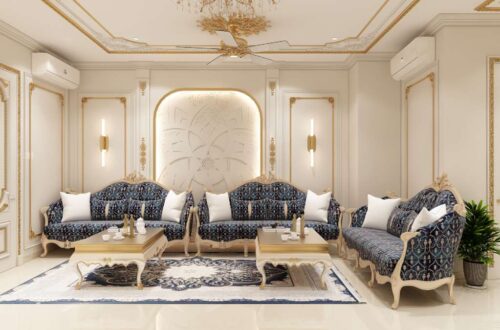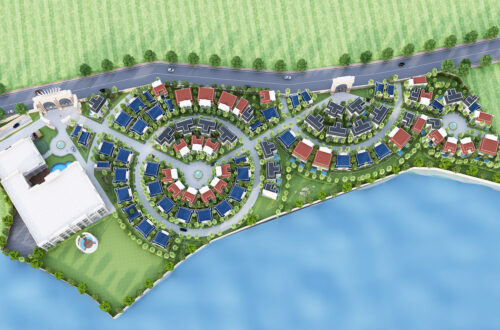
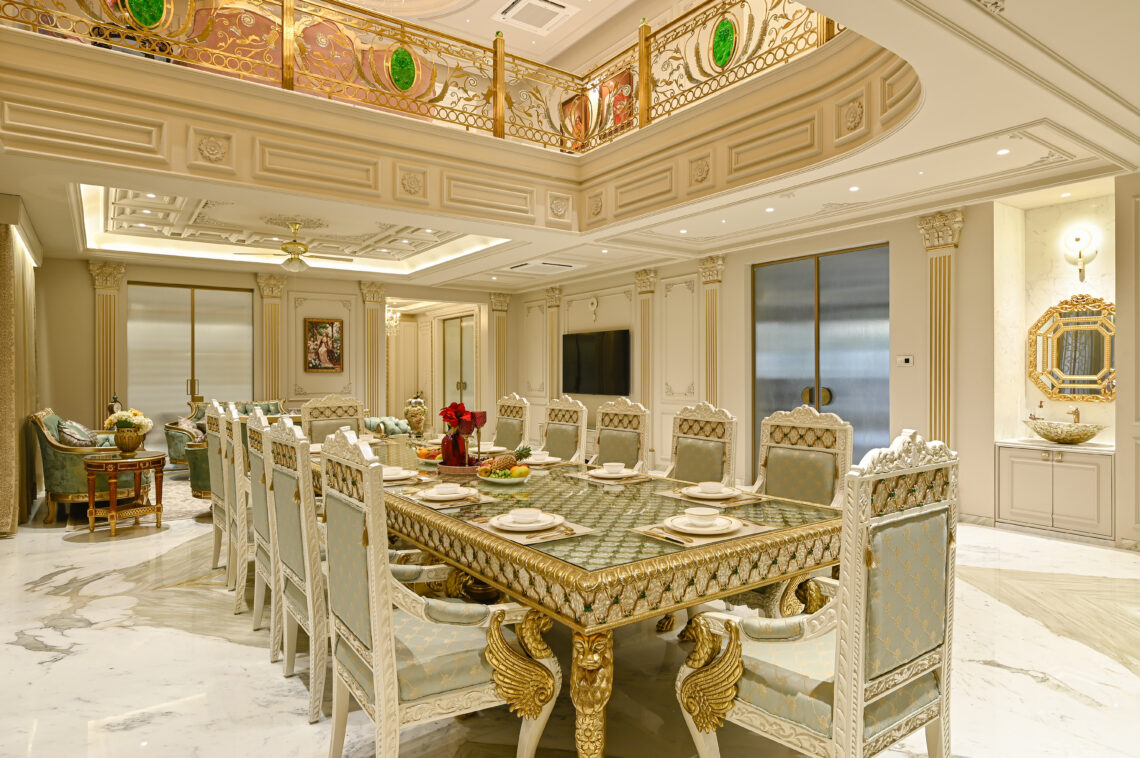
Traditionally, architecture follows a “top-down” approach: the shell is built, and the interior designer is left to fill the boxes. However, a revolutionary shift is occurring in the world of Architecture and Interior Design in Indore. We are seeing the rise of “Inside Out” design, where the internal human experience—the flow of movement, the need for light, and the functional zones—actually dictates the external silhouette of the building.
The Human-Centric Blueprint
When you design from the inside out, the building becomes a tailored suit rather than a generic cloak. This philosophy is particularly prevalent among the Best Hotel Architects Madhya Pradesh has nurtured. In a luxury hotel, the guest’s view from their bed or the ergonomic flow of a master suite is paramount. By prioritizing these internal experiences, architects are forced to create “extrusions” and unique carvings in the building’s facade. The result? A stunningly irregular, organic exterior that reflects the life happening within.
Seamless Integration with the Outdoors
This approach naturally extends to the surrounding environment. In the heart of central India, Landscape Architecture in Indore is no longer a secondary thought. When the interior layout dictates the form, it often creates “pockets” of space—internal courtyards and cantilevered balconies—that invite nature deep into the floor plan. This creates a rhythmic dialogue between the soft textures of the landscape and the hard lines of the structure.
The Best Resort Architects Madhya Pradesh provides often use this method to ensure that every interior corridor ends in a framed view of the horizon. By letting the interior circulation define the building’s length and orientation, the external form becomes a masterpiece of functional sculpture.
Why the “Inside Out” Approach Wins
By focusing on the micro-details of Architecture and Interior Design in Indore, firms are creating buildings that are more sustainable and energy-efficient. When window placements are determined by actual furniture layouts and internal activity zones rather than external symmetry, natural lighting is optimized, and heat gain is minimized.
Ultimately, “Inside Out” architecture proves that when we design for the soul of the inhabitant, the body of the building finds its most beautiful and honest form.